
"Maximizing Real Estate Investment Opportunities in Military Housing: Where to Fill the Void"
- kyleaisaacs
- Apr 24, 2024
- 2 min read
In 2019, 55% of military families living in on-base housing reported a negative view, according to a study conducted by a Non-Profit (see link here), while only 16% gave positive marks, with the rest remaining neutral, said an article by Reuters. Sadly, this site is familiar with the on-base living experience for both barracks or housing for those who have served. The investigative report by Reuters also found that servicemembers and their families stated the following complaints: "lead paint, vermin infestations, fecal and urine trails, bursting pipes, flooding, mold growth, collapsed ceilings, electric and fire hazards, and other substandard living conditions as a result of inadequate maintenance by housing companies." The kicker is that residents on military bases often lacked basic rights renters can rely on in civilian communities, such as withholding rent from derelict landlords.
These reports led to a Senatorial investigation by Elizabeth Warren and Congresswoman Deb Haaland that ultimately passed an overwhelmingly unanimous bill demanding the strict oversight of privatized military base property managers. The bill outlined the following points:
- Increase oversight
- Establish tenant protections
- Provide transparency
- Ensure medical care for affected military families
- Strengthen ethics
While this article could continue to point out military housing deficiencies, the question I'd like to pose is, why is the Department of Defense in the Real Estate business in the first place? My proposal is the following: allow the local real estate market surrounding the bases and investors to solve the problem (i.e., capitalism).
The 2019 FY DoD budget for Family Housing Operations and Maintenance was >$58 million. In my opinion, these funds could serve better if the Secretary of Defense's office reappropriated them to increase the overall Basic Housing Allowance of Soldiers. Understandably, select ranks would need to remain on base (i.e., Soldiers that live in the barracks and Senior NCO's/Officers); however, the DoD could identify these specific segments and solely focus on housing for a small percent of the military population. This action would decrease the amount of oversight from base commanders, increase morale due to Soldiers having more capital to find suitable off-base housing, and lower the ratio of property managers-to-families.
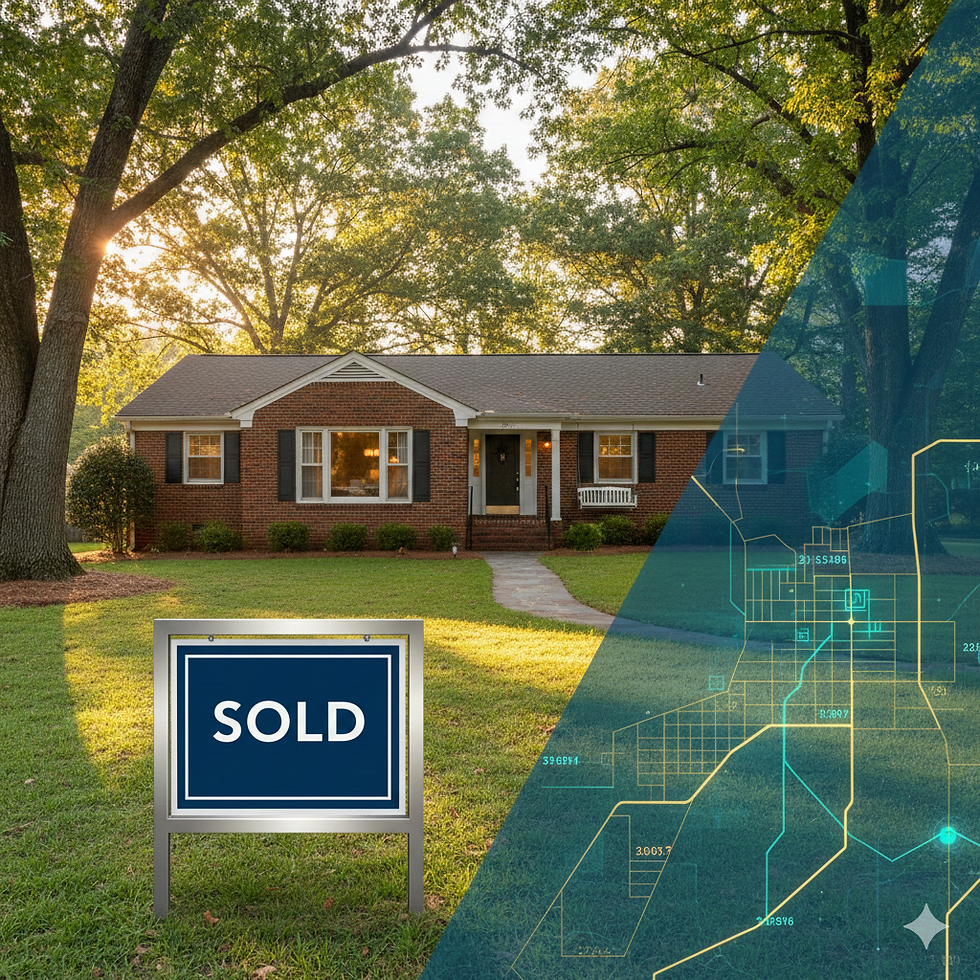
Real estate investors represent a viable solution to revitalizing "military towns," such as Fayetteville, NC, Clarksville, TN, and their respective housing markets. With the proper incentives such as lower property taxes, increased subsidized rents, and Class A tenants, investors could buy, hold, and rehab the local housing market to meet the target segments' needs. Besides, the relationships built with local banks to purchase and refinance properties will enable lending institutions to increase cash flow that will potentially end up in the local economy.
Bottom line – thank a servicemember by investing in military towns.


Comments