
Quick Take (60-Second Summary)
The Columbus, GA rental market in early 2026 looks like this: demand is still
steady, but rent growth has cooled compared to the early-2020s spike. The winners are still predictable: 3 bed / 2 bath single-family homes tend to rent fastest, stay occupied, and attract the broadest tenant pool (military, healthcare, and workforce renters).
If you’re a landlord, the key shift in 2026 isn’t “how high can I push rent?” It’s how do I price to avoid vacancy while protecting cash flow against higher insurance and maintenance costs.
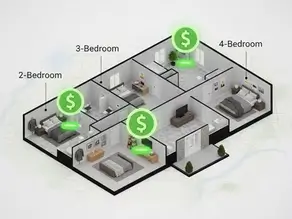
The Rent Bands: 2/1 vs. 3/2 vs. 4/2 (What Tenants Are Paying)
Two notes before we jump into numbers:
These ranges reflect single-family homes and duplex-style rentals more than apartment averages (apartments can drag “market averages” down).
Columbus rent is extremely condition + location sensitive. A clean 3/2 in a strong pocket is a different asset than a dated 3/2 across town.
Columbus, GA Rent Bands (Early 2026)
Bedroom/Bath | Low Range (Older / C-Class) | Typical Range (Most Rentals) | High Range (Renovated / Strong Pockets) |
2 Bed / 1 Bath | $750–$900 | $900–$1,100 | $1,100–$1,250 |
3 Bed / 2 Bath | $1,150–$1,300 | $1,300–$1,550 | $1,550–$1,800 |
4 Bed / 2 Bath | $1,550–$1,850 | $1,850–$2,250 | $2,250–$2,600+ |
What this table really means:
2/1s can cash flow, but the tenant pool is more price-sensitive and condition matters a lot.
3/2s are still the most liquid asset class in Columbus rentals: easier to lease, easier to keep filled, easier to sell.
4/2s command higher rent, but the spread is wide because you’re comparing older 4/2s vs. “executive” 4/2s in premium areas.
What’s Driving Rent Differences in Columbus (2026)
1) Location Still Wins: “North vs Midtown vs East/South”
Columbus is not one rental market. It’s multiple. Rent is heavily influenced by school zones, commute patterns, and the retail corridor off Veterans Parkway. As a rule: stronger pockets rent faster, renew more often, and generate fewer headaches.
2) The Renovation Premium Is Real (But Only If You Renovate the Right Things)
You don’t need marble countertops. You need durable upgrades tenants care about:
LVP floors (not cheap carpet)
clean paint, modern fixtures
updated kitchen/bath presentation
reliable HVAC + water heaterIn most cases, the “premium” shows up as higher rent + faster leasing, which often matters more than squeezing an extra $75/month.
3) Pet-Friendly Moves the Needle
Being pet-friendly increases your pool of qualified tenants, especially for 3/2 and 4/2 homes with a yard. The smart play is to allow pets with clear rules: pet fee, pet rent (optional), and written standards. “No pets” usually means longer vacancy unless you’re priced aggressively.
4) Owners Are Pricing Around Rising Costs (Insurance + Repairs)
Landlords aren’t raising rent because they’re greedy. They’re raising rent because:
insurance is up
materials and labor are up
vacancies are more expensive than everThat’s why we’re seeing more landlords hold firm on pricing but also offer concessions (like a small move-in credit) when they overshoot market.
2026 Outlook: What We Expect Next
Here are the three most likely trends for the rest of 2026:
3/2 homes stay the fastest-moving segment. If it’s clean, priced right, and allows pets, it leases.
Rent growth stays modest, not explosive. The “easy” increases are mostly behind us. Pricing strategy matters again.
Amenities that reduce friction win. Tenants increasingly care about: strong Wi-Fi, security lighting, clean fenced yards, and simple move-in processes.
Investor Playbook: What to Buy (Based on Your Strategy)
If you want stability (low drama + long-term tenants)
Buy: 3/2 single-family homes in solid pocketsWhy: broad tenant demand, easier leasing, better renewal odds
If you want higher rent (larger households + premium positioning)
Buy: 4/2 homes, but only if they’re in a strong pocket and in good conditionWhy: higher rent ceiling, but vacancy gets expensive if you miss the mark
If you want cash flow (but can tolerate more management intensity)
Buy: well-located 2/1s and duplex-style properties with solid systemsWhy: lower purchase price, but condition and screening matter more
Pricing Mistakes to Avoid
Overpricing because you “need” it. The market doesn’t care what your mortgage is. Vacancy is the silent killer.
Ignoring active competition. Always compare your property to what’s sitting right now, not just what rented last month.
Underestimating the “dated discount.” Cosmetic upgrades often pay for themselves through higher rent and lower vacancy.
Not requiring renter’s insurance. It’s cheap protection and reduces liability exposure.
Want a zip-code-specific rent range and a leasing plan that prioritizes low vacancy + strong tenants?Fifth Principle Properties provides Columbus, GA property management and rent analysis built for investors.
FAQ
1) What is the average rent for a 3-bedroom house in Columbus, GA? Most 3/2 single-family homes lease in the $1,300–$1,550 range, with higher pricing for renovated homes in strong areas.
2) What areas of Columbus, GA have the highest rents? Higher rents are most common in North Columbus and other premium pockets, plus renovated homes in desirable Midtown areas.
3) Are rents rising in Columbus, GA in 2026? Generally yes, but modestly. The market is more about smart pricing and avoiding vacancy than big jumps.
4) What’s the best rental property type in Columbus, GA? For most investors: 3/2 single-family homes. They have the largest tenant pool and tend to lease fastest.
5) How do I price my rental in Columbus, GA?
Use active comps + recently rented comps, adjust for condition, pets, yard, and school zone. If you want accuracy, get a local rent analysis before listing.
